


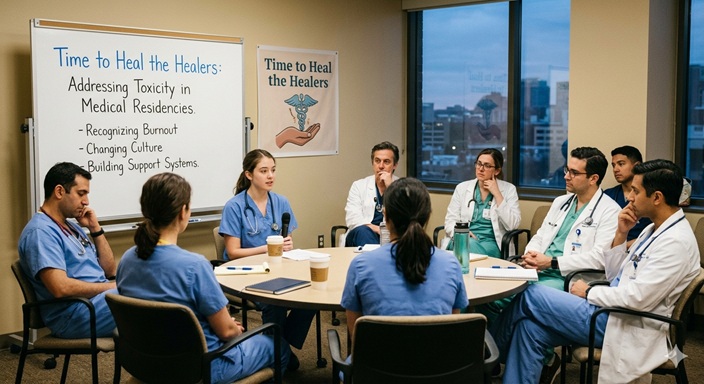
Raipur, 19/03/2026: In a significant step toward improving the mental well-being of medical students, JDA Raipur has welcomed the initiative taken by the Pt. JNMMC College administration to appoint a psychiatrist counsellor in compliance with the recent advisory of the National Medical Commission (NMC). The counsellor, stationed at Room No. 403, is expected to provide much-needed psychological support to students navigating the demanding medical training environment.
While this move marks an important beginning, stakeholders emphasize that it is only the first step in addressing the deeper issue of toxicity within medical residencies.
Crisis Behind the White Coat
The urgency of addressing mental health challenges in medical education is underscored by alarming statistics. As per an RTI response from the National Medical Commission in 2023, 64 MBBS students and 55 postgraduate (PG) students lost their lives to suicide over the past five years. Additionally, 1,166 students dropped out, including 160 MBBS and 1,006 PG students.
A separate study titled “Suicide deaths among medical students, residents and physicians in India (2010–2019)” reported 358 suicides, including 125 students, 105 residents, and 128 doctors. Notably, nearly 70% of these deaths occurred before the age of 30, highlighting the vulnerability of young medical professionals.
Root Causes: A Cycle That Repeats Itself
Medical residency is often characterized by intense workloads, rigid hierarchies, and limited flexibility. Experts point out that the system tends to perpetuate itself—junior doctors, after enduring such environments, often replicate the same patterns when they become seniors.
This cyclical culture of pressure and hierarchy continues unchecked unless deliberate reforms are introduced. Breaking this cycle requires conscious effort, systemic change, and accountability at all levels.
Timeline of Efforts and Policy Interventions
Over the years, several measures have been introduced to regulate working conditions and address harassment in medical education:
- 1987: Supreme Court directed that resident doctors’ duty hours should not exceed 48 hours per week.
- 1992: Ministry of Health and Family Welfare capped duty hours at 12 hours per day and mandated one weekly off.
- 2009: UGC introduced Anti-Ragging Committees in institutions.
- 2017: Mental Healthcare Act emphasized the importance of mental well-being.
- 2023: PGMER Guidelines termed 36-hour continuous duty shifts as “inhumane” and recommended fixed duty hours.
- March 24, 2025: In Amit Kumar & Ors. vs. Union of India & Ors., the Supreme Court constituted a National Task Force (NTF) to address student mental health and prevent suicides in higher educational institutions.
- Following this, the NMC issued advisories mandating preventive and supportive measures for students’ mental health.
The Way Forward
Experts stress that an individual’s potential can only be fully realized in a supportive and balanced environment. Educational institutions bear a crucial responsibility in fostering such ecosystems.
Residency programs naturally create a sense of belonging and shared journey among peers. However, without intentional reforms, harmful patterns persist across generations. With awareness, structured interventions, and progressive policies, this cycle can be transformed.
JDA Raipur has urged the NMC to modernize the 1992 residency framework with contemporary, innovative reforms, ensuring a healthier and more humane training environment for future doctors.
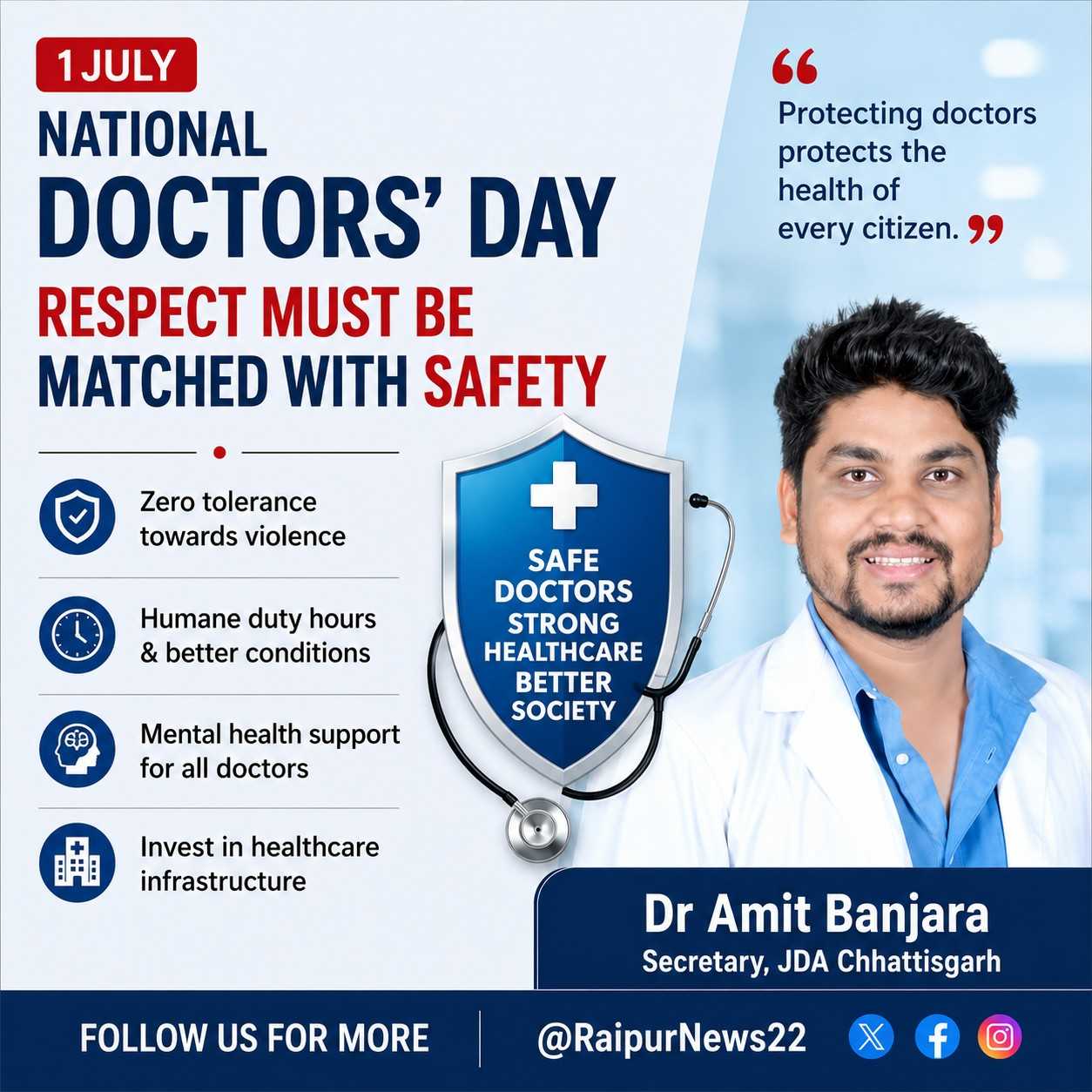
– Dr. Amit Banjara
Secretary, JDA Raipur






Leave a Reply